

CIOs have talked about enabling the business for years, but IT exec Monica Caldas expects the role will soon be about orchestrating how the business performs.
“Today, CIOs are helping organizations navigate technological, operational, and cultural transformation simultaneously,” says Caldas, global CIO for Liberty Mutual Insurance and a 2026 inductee into CIO.com’s CIO Hall of Fame. “By 2029, much of that foundation will be in place. The role will increasingly focus on orchestrating an intelligence-enabled enterprise, where AI is embedded into workflows, decision-making, and business operations. As intelligent systems take on more routine work, CIOs will spend more time shaping business strategy, workforce evolution, and new sources of competitive advantage.”
In the upcoming years, Caldas predicts, “the role becomes less about implementing technology and more about helping organizations reimagine how humans and intelligent systems work together to create value in the Intelligence Era.”
She adds, “We’re entering a period where AI is reshaping how decisions are made, how work gets done, and how organizations operate. Just as previous waves of technology changed how enterprises functioned, AI is creating new opportunities for CIOs to act as strategic business leaders and enterprise shapers — not simply technology operators.”
Anthony Moisant, CIO and CSO for Indeed, has a similar vision for the role’s future.
“The CIO is becoming the architect of the company’s operating system itself. The CIO is becoming the architect of how a business runs,” says Moisant, also a 2026 Hall of Fame inductee.
Kathy Kay, executive vice president and CIO for Principal Financial Group, describes the future of the CIO role in much the same way.
“Already I’m having to be even closer to the business and talking about how the business should run. I now have way more of those conversations than conversations about technology,” she says.
Longtime IT leaders are unlikely to be surprised by all this. Anyone who has been watching the profession for the past decade or so has seen the CIO role evolve to one focused more on business strategy than it had been. And those with 20-plus years in the profession have watched it truly transform, from a senior-level operations manager position focused on technical decisions to the influential C-suite executive role it is today.
Now, as organizations devise their three-year strategic plans, those same leaders expect more changes for the role, saying that CIOs in 2029 will not just enable how organizations do business, they will devise what they offer, what they do, and how they produce value.
“They will be business-value creators,” says Craig Stephenson, senior client partner and CIO/CTO practice leader at Korn Ferry, an executive search and organizational consulting firm. “CIOs will own not just tech transformation but business transformation, and they will be enterprise leaders driving that transformation at scale.”
‘This is a game changer’
Dani Brown, who retired July 31 after nearly six years as SVP and CIO of Whirlpool, sees that future for the CIO role, too.
“The CIO of the future is different,” says Brown, also a 2026 Hall of Fame inductee. “This is not just an incremental change; it’s a shift. This is a game changer.”
AI is driving much, if not all, of the shift in the CIO’s position, Brown says, because, more than any other technology in the past, AI is changing what business can offer and how they deliver those offerings.
“AI is reshaping business models and quite frankly entire industries,” she says. “So today, it’s not just about how you enable solutions to problems but how do you use AI to shift a business model or industry.”
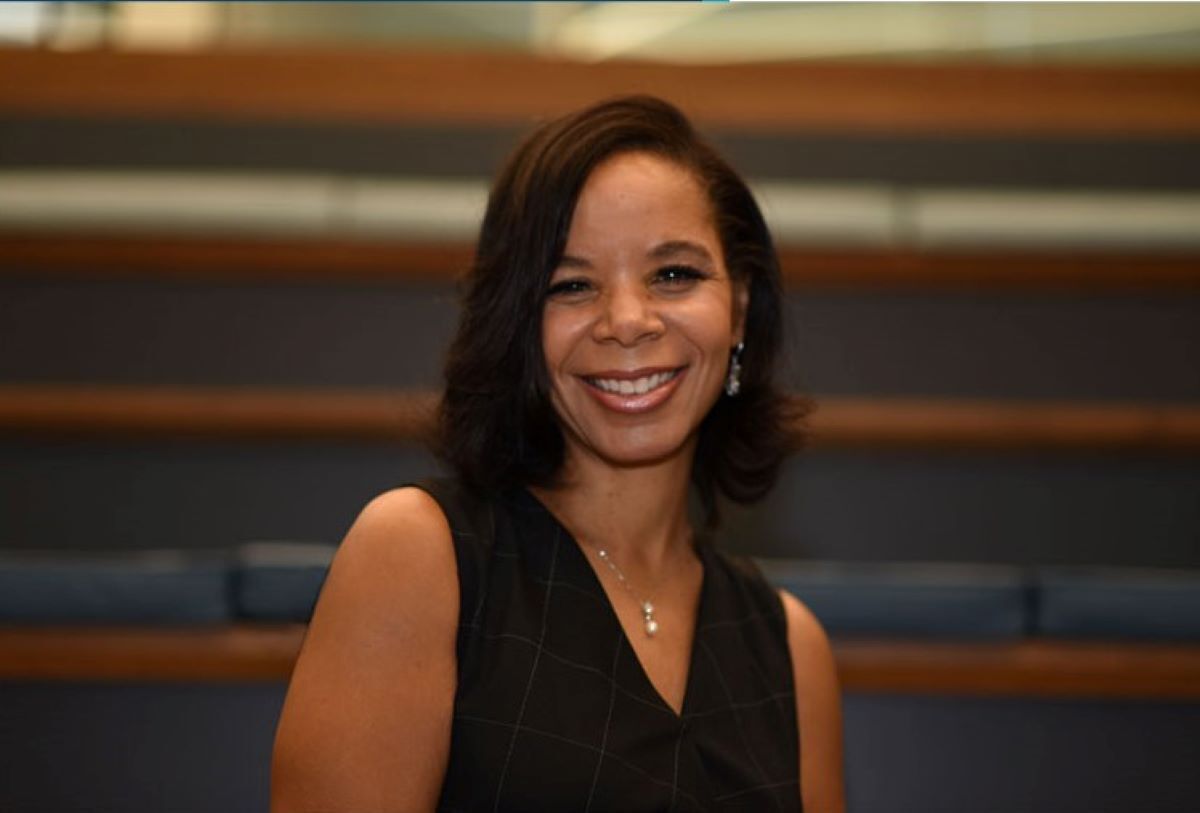
Danielle Brown, SVP and CIO, Whirlpool Corporation
Danielle Brown, former SVP and CIO, Whirlpool
That task of engineering a shift of the organization or the industry itself is a monumentally different task than reengineering a process and, as such, speaks to the shift, that “game changer,” that Brown predicts happening in the CIO role.
“CIOs will have to determine how they leverage technology to revolutionize how they engage with consumers, how they transform marketing and differentiate products and the company, how they deliver services, and how they use AI to change internal operations to deliver better margins for the company. With the implications of technology on business today being like it has never been before, CEOs want a business partner beside them who understands that,” Brown says.
She adds that many CIOs are already doing such work.
But Brown doesn’t expect these new CIO responsibilities will displace the responsibilities that traditionally fell under the CIO’s remit. They’ll still have to be technologists to understand how best to implement technologies for business advantage. CIOs will still be accountable for deploying and maintaining the IT environment. And, as is the case already, they’ll be measured on creating and running an IT department that enables the business, can respond to changing business needs, and can do so efficiently, effectively, and securely.
AI shifts how the CIO sits in the C-suite
Kay stresses that CIOs, too, must adopt AI for their IT operations to ensure success in the future.
That, though, speaks to other ways the CIO role is changing.
As CIOs advise their colleagues on the use of AI and reengineer their organization’s services, products, and workflows, they’re also going to have to help the organization adjust to working side by side with autonomous AI agents, Kay says.
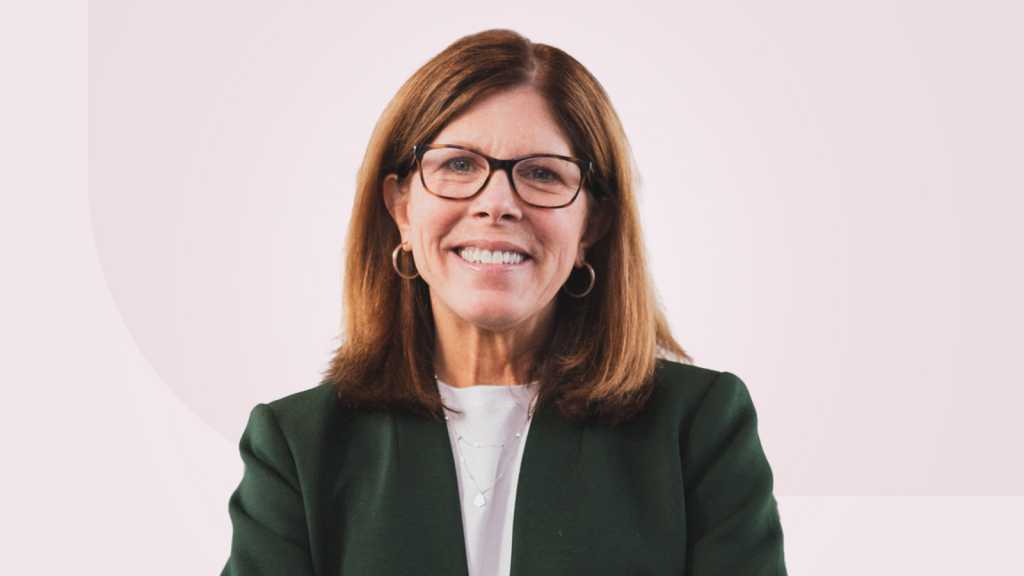
Kathy Kay, EVP and CIO, Principal Financial Group
Kathy Kay / Principal Financial Group
CIOs will also have to leverage their understanding of AI as technologists to share how AI reshapes the market, she says.
Kay says she’s already doing that. For example, she has brought AI’s implications on medicine to the attention of her colleagues, explaining how AI is expected to bring better medicines to market, which will likely mean longer life expectancy that in turn could impact her company’s products and services.
“As a CIO, I’m now asking, ‘If this happens, does our business strategy still hold?’ We haven’t seen the CIO play this role in the past. Now we’re the ones to say, ‘We need to pay attention to this,’” says Kay, another 2026 CIO Hall of Fame inductee.
That requires someone who has the courage to challenge existing strategies and colleagues on their stances, she says. And it requires someone who is “OK pushing them to have those conversations.”
For some, the future is already here
As Moisant sees it, leading-edge CIOs are already living that future.
“More and more today it’s the expectation for CIOs to be thinking about the total system, how the organization runs end to end, and becoming more of an architect of that total system,” he says. “That has already become an expectation for some in the field.”
And it’s going to become more common in the upcoming years, he adds, with the majority of CIOs having to meet those expectations in the future.

Anthony Moisant, CIO and CSO, Indeed
Anthony Moisant / Indeed
Caldas’ vision is similar. She sees the CIO’s responsibilities centering on three areas as AI becomes embedded in how work gets done.
To start, CIOs will have to ensure “the organization has the right foundations, including trusted data, resilient platforms, cybersecurity, governance, and responsible AI practices to operate at scale. Those fundamentals won’t go away; if anything, they become more important,” she says.
They’ll have to help “the organization rethink how intelligent systems, people, and business processes work together. The opportunity is no longer just automation; it’s unlocking human potential and enabling employees to focus their energy on higher-value work while intelligent systems take on more routine tasks.”
And third, they will help shape business strategy and competitive advantage. “As technology becomes increasingly inseparable from the business, CIOs will play a larger role in identifying new opportunities, accelerating decision-making, and helping their organizations continuously adapt and reinvent how work gets done.”
The skills necessary to succeed
If all that sounds exceptionally challenging, that’s because it is, says David Ulicne, executive director of executive education at Carnegie Mellon University’s Heinz College of Information Systems and Public Policy.
“It’s a tough job to be a CIO, especially now that we are in the agentic era. The expectations are overwhelming,” he says. To meet the demands of the role now and in the future, “CIOs have to in some ways reinvent themselves again.”
Technical, strategic thinking, leadership, influence, financial management, and communication skills all need to be top-notch in CIOs if they want to succeed, he explains, as do people management and change management skills to help employees adjust to a workplace that will be staffed with both agents and humans.
Caldas likewise says future CIOs will need a different mix of skills, some familiar and others new to the position.
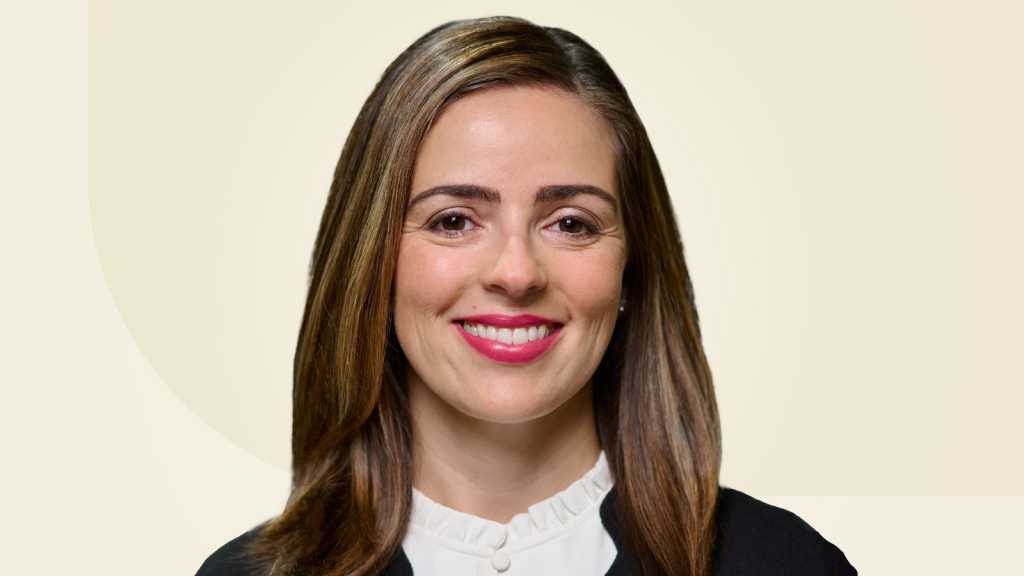
Monica Caldas, EVP and global CIO, Liberty Mutual
Liberty Mutual
“I believe the most successful CIOs will combine technical fluency with business leadership and human-centered change management,” she says.
She lists as key skills:
- Continual curiosity: CIOs will need to be continuous learners, with the ability to experiment, learn, and iterate quickly.
- Value-informed decision-making: CIOs will need to be able to distinguish between opportunities that create meaningful business value and those that simply create noise — and in many cases, do so quickly. “Knowing when to double down, when to pivot, and when to stop investing will become a critical skill.”
- Business vision and fluency: CIOs will need to readily translate technology into business value — an ability already in demand today.
- Human and organizational leadership: “As intelligent systems become more embedded in everyday work, the differentiator will be the ability to help people adapt, develop new skills, and work effectively alongside new technologies,” she says. “Success will depend as much on leadership, culture, and organizational change as it does on technology itself.”
With all that taken to be the CIO’s evolving remit, Caldas says she already finds herself acting as part technologist, part economist, and part communicator.
“As we move from the Digital Era into the Intelligence Era, the role is becoming less about technology itself and more about helping organizations understand what technological change means for strategy, investments, talent, operations, and competitive advantage,” Caldas says. “Creating clarity in moments of change becomes just as important as delivering technology itself.”
Read More from This Article: What the CIO role will look like in 2029
Source: News