

Africa leads the rest of the world when it comes to female business owners. In fact, women in Africa are more likely to be entrepreneurs than their male counterparts. And yet, conversations with South African female founders of technology companies reveal that the business world is still not wired to support them.
While almost 50% of the women in the non-agricultural labour force are entrepreneurs, female-led businesses earn 34% lower profits, on average, than companies steered by men, according to a World Bank report on women’s businesses in Africa.
The impact of the pandemic on the fortunes of female founders of business in Africa isn’t entirely clear, but the disruption likely hit women worse than men. For example, venture capital (VC) funding for female-founded companies fell dramatically in 2020 across the world, according to Crunchbase.
“I definitely think that investors tend to have a risk perception around women,” says Dr. Aisha Pandor, co-founder of SweepSouth, an online platform for booking, paying for and managing home cleaning services. Add a pandemic to the mix, with so much disruption and uncertainty, and you can almost understand that investors will default to what they know, Pandor says. “Naturally, funding for women will dry up.”
The lack of funding for female ventures is nothing new, though. Despite skyrocketing investments into African tech start-ups over the last decade, the amount of money being given to all-female founding teams has changed very little over the same period of time. Investors approach men and women differently.
Asking men to win, expecting women to lose
Even in the most progressive countries, when female founders and male founders approach VCs for funding, they’re asked different kinds of questions, according to research presented in the Harvard Business Review. The experience rings true for South Africa’s women entrepreneurs in tech as well. Male founders are asked questions about scaling and about the numbers, while female founders are asked about managing family and office life, and this gender bias affects how much funding they may receive.
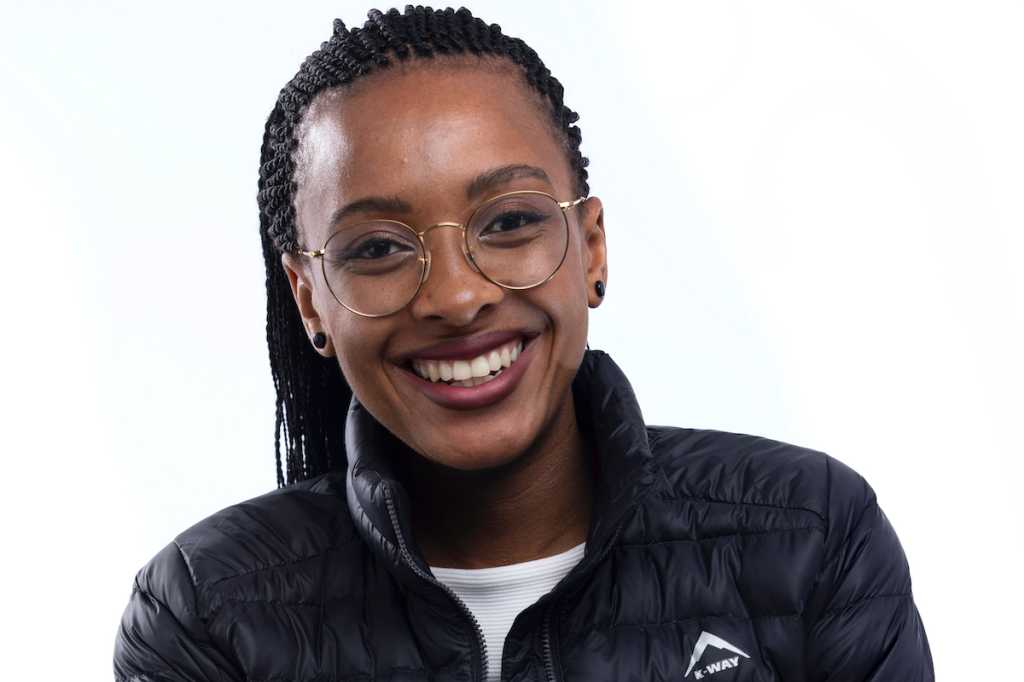
Lee Zuk
This difference is widely noted by female entrepreneurs. “How the questions are framed is very different,” says Baratang Miya, founder and CEO of GirlHype, a nonprofit organisation that aims to empower girls and youth in the ICT sector in South Africa. Miya regularly sits on judging panels at tech and innovation summits. “Investors ask men about scalability. They ask them about numbers. But they don’t ask these questions to women.”
“You’ll never hear an investor saying to a male entrepreneur, ‘Oh so you’re a working father’, but it’s a comment that is made to women all the time,” says Lee Zuk, a co-founder of Dazzle Angels, a female-focused angel investment fund.
Questions directed at women are often focused on being a woman and coping in a man’s world, according to Rapelang Rabana, founder of Rekindle Learning, a South African learning technology start-up. Men are asked more strategic questions about their business, where the market is going, how they plan build competitive advantage and how they are going to succeed. “And because men are asked these questions, they end up sounding more impressive because they are given the chance to talk about the things that are important to customers, investors and partners,” she says.
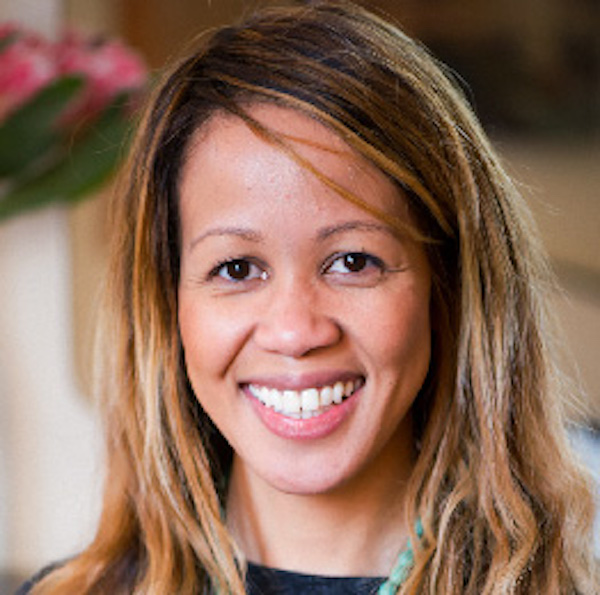
Aisha Pandor
Realities like this put additional pressure on women to overcompensate because they’re already starting off on the back foot.
Pandor has had two children while running Sweepsouth. In fact, she was pregnant while fundraising for the business. “It was incredibly stressful,” she says. “When I was pregnant I had this fear that investors would see me as being ‘too risky’.”
Pandor didn’t talk about her pregnancy until it became obvious. “I was actually emailing people when I was in hospital having my son,” she says.
In order to make way for top talent in tech, the entrepreneurship and start-up ecosystem has to change, Pandor says. “Either you’re saying that women can’t be entrepreneurs and they can’t be founders and they can’t be CEOs or you’re saying that women who do, can’t have children. I don’t buy that.”
Female founders face funding challenges
A lack of women investors contributes to the challenges faced by female founders.
“Men will fund what they know and what they see. And they tend to fund people in their networks,” says Dazzle Angels’ Zuk, noting that this issue is not exclusive to South Africa
Investors tend to gravitate toward entrepreneurs who, they feel, are most like them,
“People they feel they can understand intuitively, people they feel they can relate to, people they believe want the same things as them,” agrees Rekindle’s Rabana. “This perceived understanding breeds trust, which is ultimately the deciding factor in making an investment.”
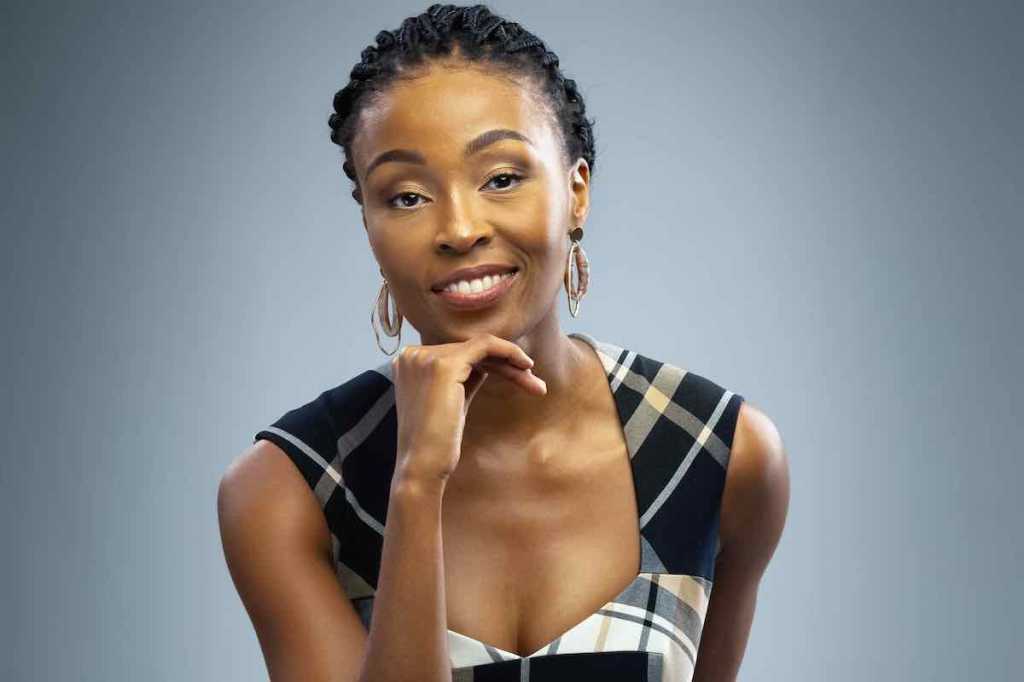
Rapelang Rabana
This is an incredibly hard human instinct to overcome, Rabana notes. “And it won’t be overcome by asking nicely. Until more venture capitalists are women and asset managers and entities allocating funds decide to back women, it won’t really change.”
Meanwhile, if the people with the money are mainly mean and they only invest in what they know and what they see, one can understand why women tend to have trouble finding funding — and this is especially true for women of colour.
“Look, there’s no funding for Black women,” says GirlHype’s Miya. ” This is something I always say. We shouldn’t play games about it.” She believes that this is, in part, because a lot of Black women start businesses that address social issues that affect Africa and South Africans. “But VC funds don’t see the people that we are talking about as people who can make them money.”
World Bank research supports this theory, noting that female founders are more likely to operate in areas that attract less investment, like education-related technology or healthcare technology. But even when women do play in industries that appeal to investors, they are still less likely to receive funding. And when they do, they typically receive less than men, the World Bank notes.
“So the only person who’s left to fund a Black woman, is a Black woman, but we don’t have the money to fund each other,” Miya says. “Until such time that VC portfolios include more Black women, the biases in the industry and the misunderstanding of the value that black women can offer will continue.”
Lack of incentives thwart female entrepreneurship
Under current conditions, there is no real incentive for a Black women to start a business, notes Lethabo Motsoaledi, a co-founder and CTO of Voyc AI, a speech analytics software company that uses AI technology for quality assurance. Incentives are important because entrepreneurship is so tough, she says. Building new businesses from the ground up is also less appealing for talented Black women who are sought after in corporate environments and who can quickly move their way up the corporate ladder, she explains.
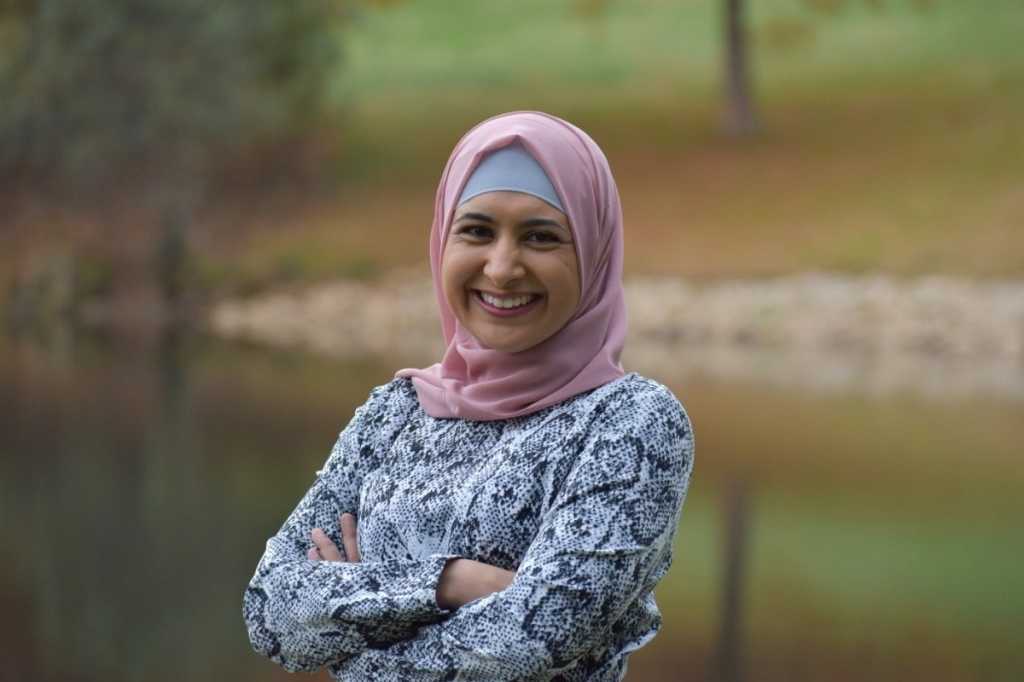
Naadiya Moosajee
It’s an observation shared by other women of colour. “Within the tech start-up ecosystem, the Black women who could take the industry to another level are enticed by big paychecks and get swallowed by corporates super fast,” Miya says. “This makes the entrepreneurial ecosystem suffer.”
Despite all the hype around diversity and inclusion in tech, Naadiya Moosajee, a female engineer, entrepreneur and the co-founder of WomHub, pan-African incubator for female-founders in STEM (Science, Technology, Engineering & Manufacturing), says that VCs fail to see the value of diversity in their portfolios. Sharing the sentiment that they continue to back people who look like them, went to the same schools and have access to the same networks.
This is why Hema Vallabh, Moosajee’s WomHub co-founder — an engineer, turned entrepreneur, turned investor at Five35 Ventures — is actively trying to shift the funding needle. Having built her own business and worked with some of the top female IT talent over the years, she is well aware of what women in tech can do when they are given the chance.
“But the odds are stacked against us,” Vallabh says. “The challenges are just so much more significant when you are a woman, a woman of colour, a woman of colour from Africa and a woman of colour from Africa in the engineering and tech space.”
Five35 Ventures’ name aligns with the organisation’s mission, Vallabh says. “If we add more female entrepreneurs to the African ecosystem we could see a 5% uplift in GDP by leveraging the 35% higher ROI that we typically see in diverse teams over all male teams.”
Doubts about women’s tech prowess persist
In the early days of starting her business, Voyac AI’s Motsoaledi noticed that some of the men in meetings turned their back on her and automatically asked her white, male co-founder the more technical questions even though she is the company CTO. “I mentioned it to my co-founder Matthew and since then he has made a point of explaining to people that I’m the best person in the room to answer these questions. By doing that, he challenges their perceptions that, because he’s a white male, he knows what’s going on.”
Sweepsouth’s Pandor has experienced similar bias and scepticism about what she has to say. “I definitely have noticed a difference in perception when I say something versus when my co-founder who is male says it.” For example, if her male co-founder throws out a big market number, he’s considered bullish and aggressive — traits that can appeal to investors — but if she throws out the very same number, investors tend to approach her with cynicism and ask for more details, she says.
Dismissal of women executives doesn’t only happen in boardrooms. After presenting at a large African tech conference, Miya was asked by a journalist if she was one of the ‘products’ of one of her younger, less experienced male colleague. “For a second, I stood there and thought ‘What the hell are they talking about’. I could have killed all of them.”
Female executives, after having faced dismissive comments by business contacts over the years, are starting to speak out. WomHub’s Moosajee recalls meeting with some conference organisers to potentially speak at their event, but they kept questioning her experience. “Unbeknown to them, I had just come back from the World Economic Forum in Davos where I had addressed global leaders. It still happens. Over time, I have become less tolerant over time with the bias that women of colour face. Now, I just call it out when I see it.”
Women find strategies to succeed in business
In her early engagements with corporations, Motsoaledi noticed that white men tended to respond positively to her, while Black female business executives tended to be more open to her white, male co-founder. So, they used this observation to their advantage when approaching enterprises for business.
Attempting to explain the behaviour of the Black women she encountered, Motsoaledi says she believes that there are two types of women who have broken glass ceilings —- those who are willing to use their position of power to open doors for others and those who are far more protective of their position and make it very hard for others to achieve similar success. “The one says ‘I struggled so that you don’t have to’ and the other says ‘I struggled so you have to struggle too’.”
As a female in male-dominated rooms, Motsoaledi has actually made a conscious decision to ‘forget’ that she is the only woman in the room. “I do this because if anyone were to challenge or criticise something I say, I don’t want to immediately think that they’re only doing so because I’m the minority in the room. I think the burden of knowing that everyone is underestimating you before you’ve said or done anything is too much to carry.”
Pandor has adopted a similar approach. Despite leading one of South Africa’s most successful start-ups today, she still struggles with imposter syndrome. “On the positive side, I do think there is a benefit to being someone who looks different. You can use that to your advantage, but using this difference to make sure that you stand out for the right reasons.”
It will take about 100 years to achieve gender equality based on the current rate of progress when it comes to growth of female entrepreneurs within the business ecosystem, according to the 2020 Global Gender Gap Report. But this isn’t deterring the female founders who are already in the game. Despite the challenges, the stereotypes, the misconceptions and bias, these female founders remain steadfast in themselves and are fiercely confident.
“My main objective is to grow my business and if they (business contacts) need a man to be more comfortable, I will give them a man,” Rabana says. “Either way, I am not in the business of coaching people to overcome their limiting beliefs and mental blocks.”
Motsoaledi is adamant that none of the bias she has experienced over the years will determine the course of her career and business. “The quality of our product determines our success or failure,” she says. “I can only speak about my experiences as an entrepreneur through the lens of a Black female. So I wouldn’t know that anything that has happened to me is because of me being a certain demographic,” she says.
While women may face barriers that men do not, entrepreneurs of all stripes deal with the same basic business challenges, Motsoaledi believes.
“Most of the experiences I’ve had have been shared across other entrepreneurs. Regardless of your gender or race, being an entrepreneur is hard,” Motsoaledi says. ” It’s hard to solve a problem, hard to make people believe in something they’ve never seen before and hard to convince customers to use something they’ve never tried before.”
Read More from This Article: South Africa female founders of colour confront funding, career challenges
Source: News